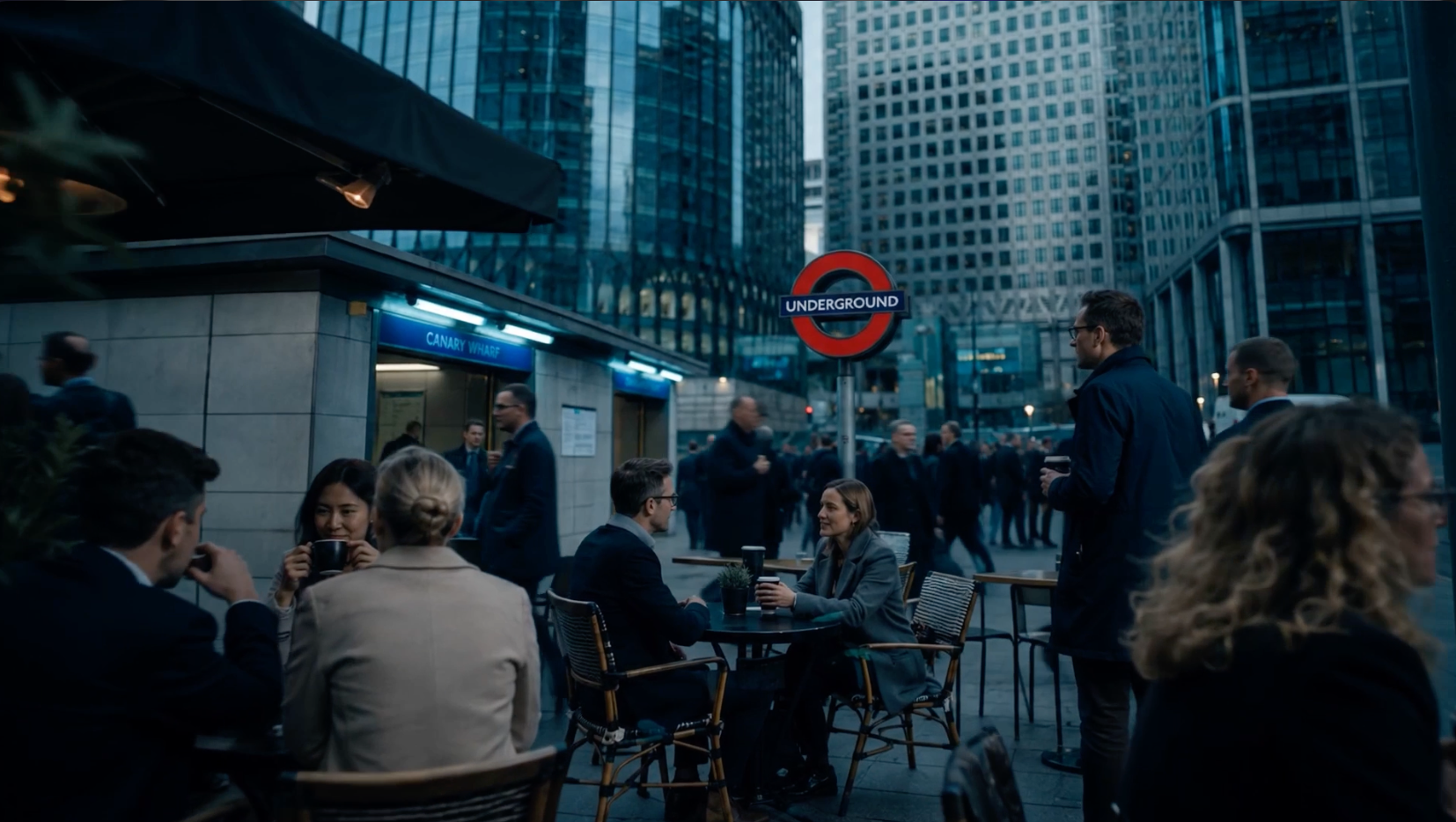
A boundary that works in public
Civil-liberties groups including the ACLU have warned about facial recognition built into wearable devices. A person moving through ordinary life should not have to assume that a stranger can identify them without their knowledge.
The boundary applies in public and semi-public places. People in shops, apartment buildings, waiting rooms, campuses and workplaces may be visible without expecting to be profiled.
Accuracy does not settle the harm
Misidentification is serious, especially in a high-stakes setting. An accurate match can also expose someone to unwanted contact, intimidation or the loss of practical anonymity.
Accuracy alone misses the larger question. Should it be normal to turn a passing face into a name, search result or record without notice?
Put the bystander first
A workable approach would limit use in sensitive places, require clear accountability from organisations and refuse to treat consent as automatic just because someone is in public.
The aim is ordinary freedom, the ability to be present without being quietly converted into someone else's lookup result.
The ACLU's position draws a boundary around identification, not a ban on all photography. Ordinary image capture, targeted lookup and later disclosure can be assessed as separate acts with different risks.
Accountability also has to identify who can answer a complaint. A bystander needs to know whether the wearer, venue, service provider or manufacturer controls the processing. Clear responsibility will not settle every dispute, but it gives the dispute somewhere to begin.