Articles
Reporting and analysis on recording, recognition, consent, Bluetooth awareness and the shared-space questions raised by wearable technology.
-
Perspective
The Glasses Were Never the Problem
Nothing about a camera on a face is inherently wrong. The choices manufacturers make about what it does by default are what deserve scrutiny, not the person wearing it.

-
Security
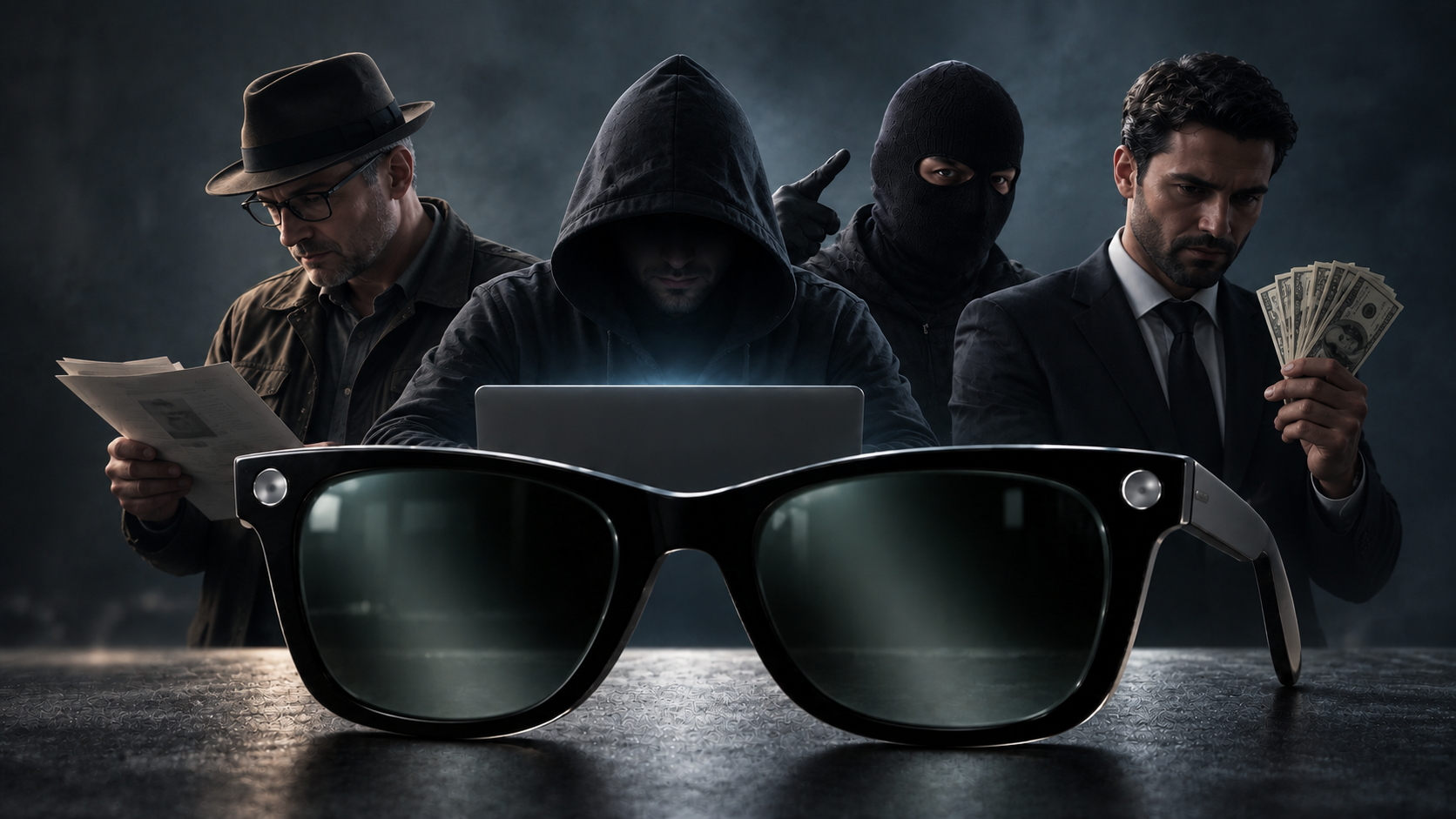
Espionage, Theft, Extortion, Bribery: The Words Security Professionals Use Now
Security professionals now connect smart glasses with espionage, data theft and extortion. Air Force restrictions and data-centre monitoring show how the threat model is changing.
-
Open protocol
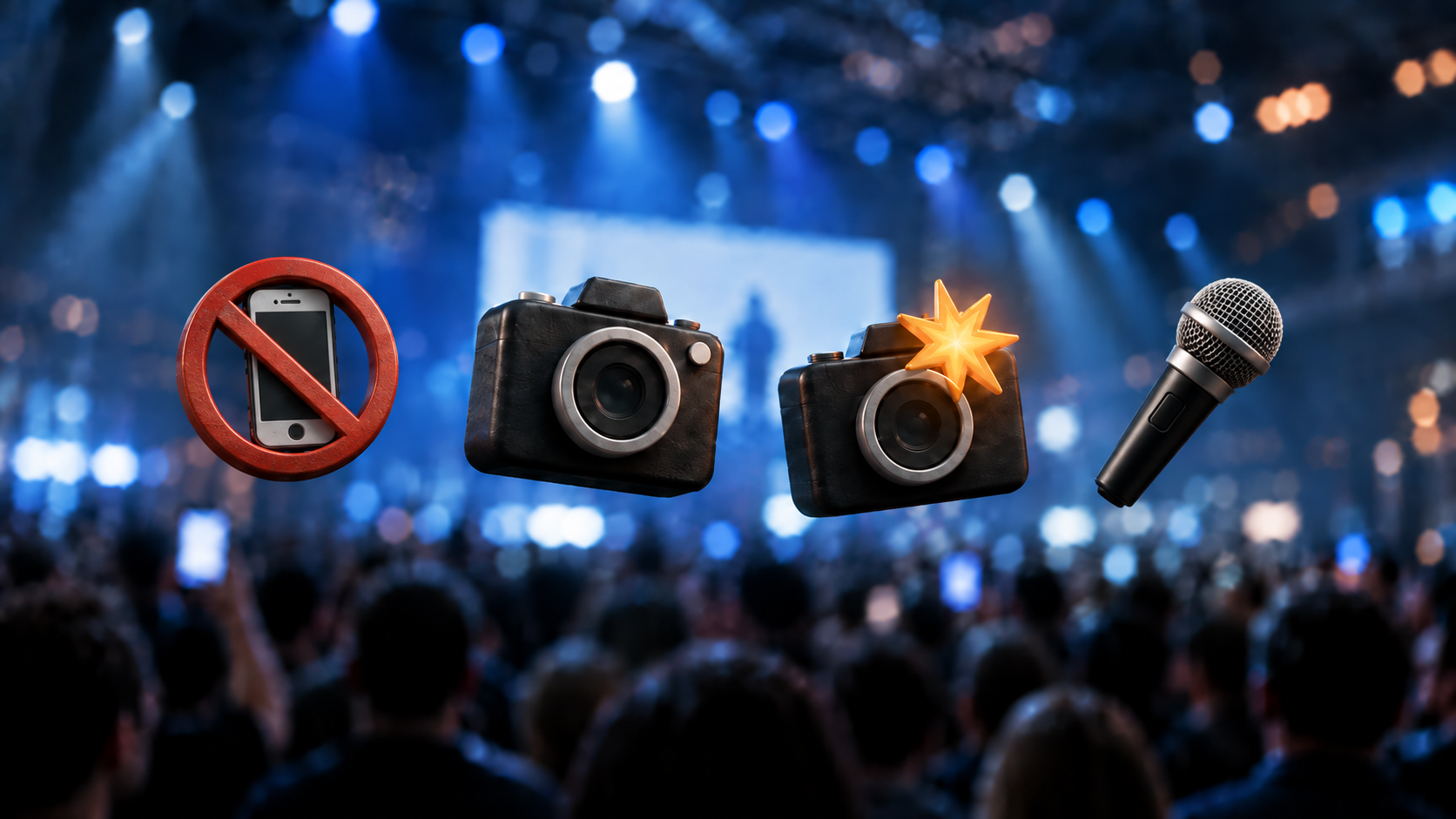
A Privacy Signal the Smart Glasses Industry Can Test
NearLens is partnering with PMSG to bring its ambitious BLE privacy-signal convention to iOS, adding real-time awareness of camera and microphone state to existing wearable-presence detection.
-
Movements
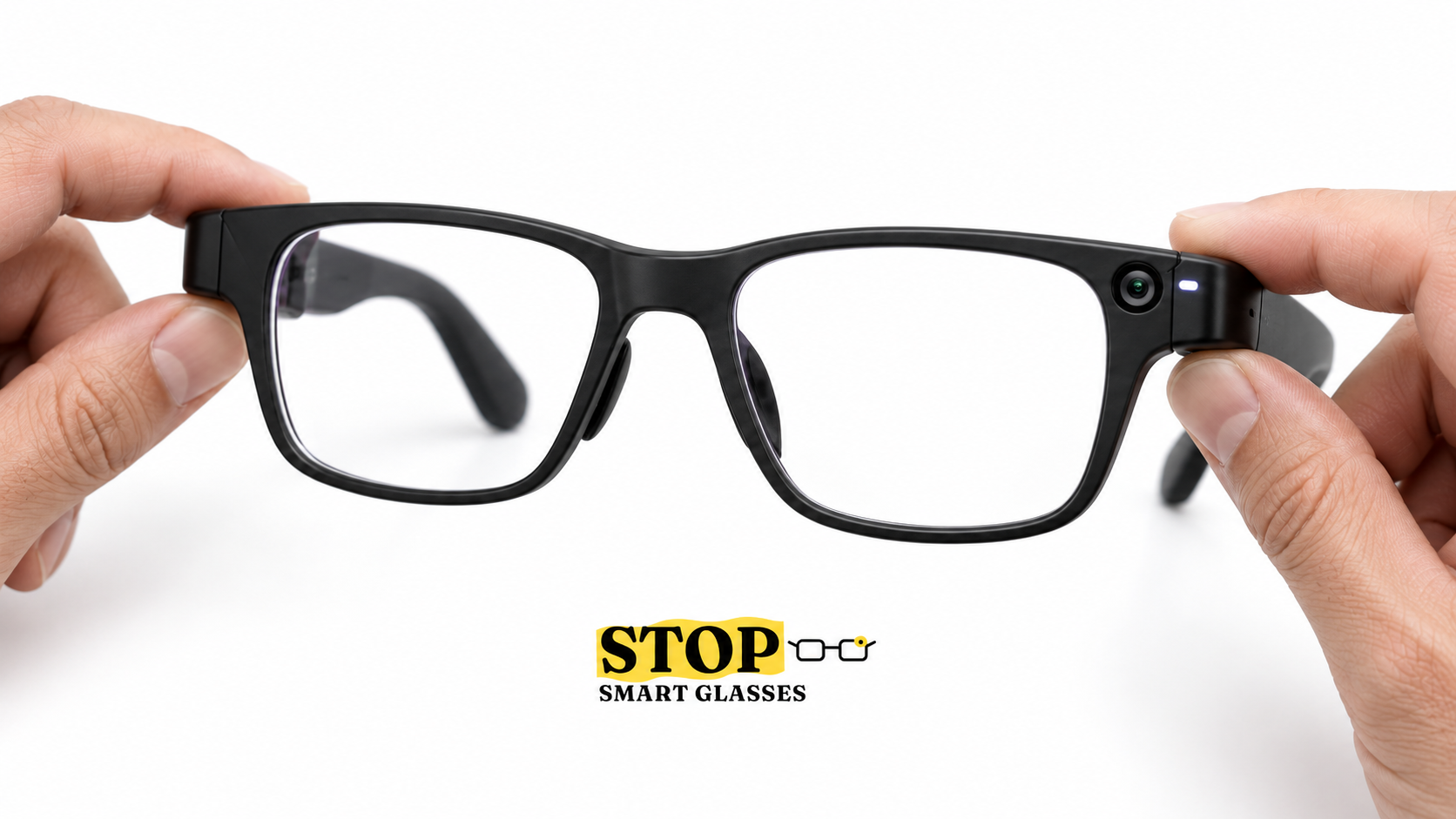
Stop Smart Glasses Is Betting It Isn't Too Late Yet
A grassroots UK and Ireland campaign built the first retailer database showing where camera glasses are sold, and is asking the public to act before the devices become background noise.
-
Policy design
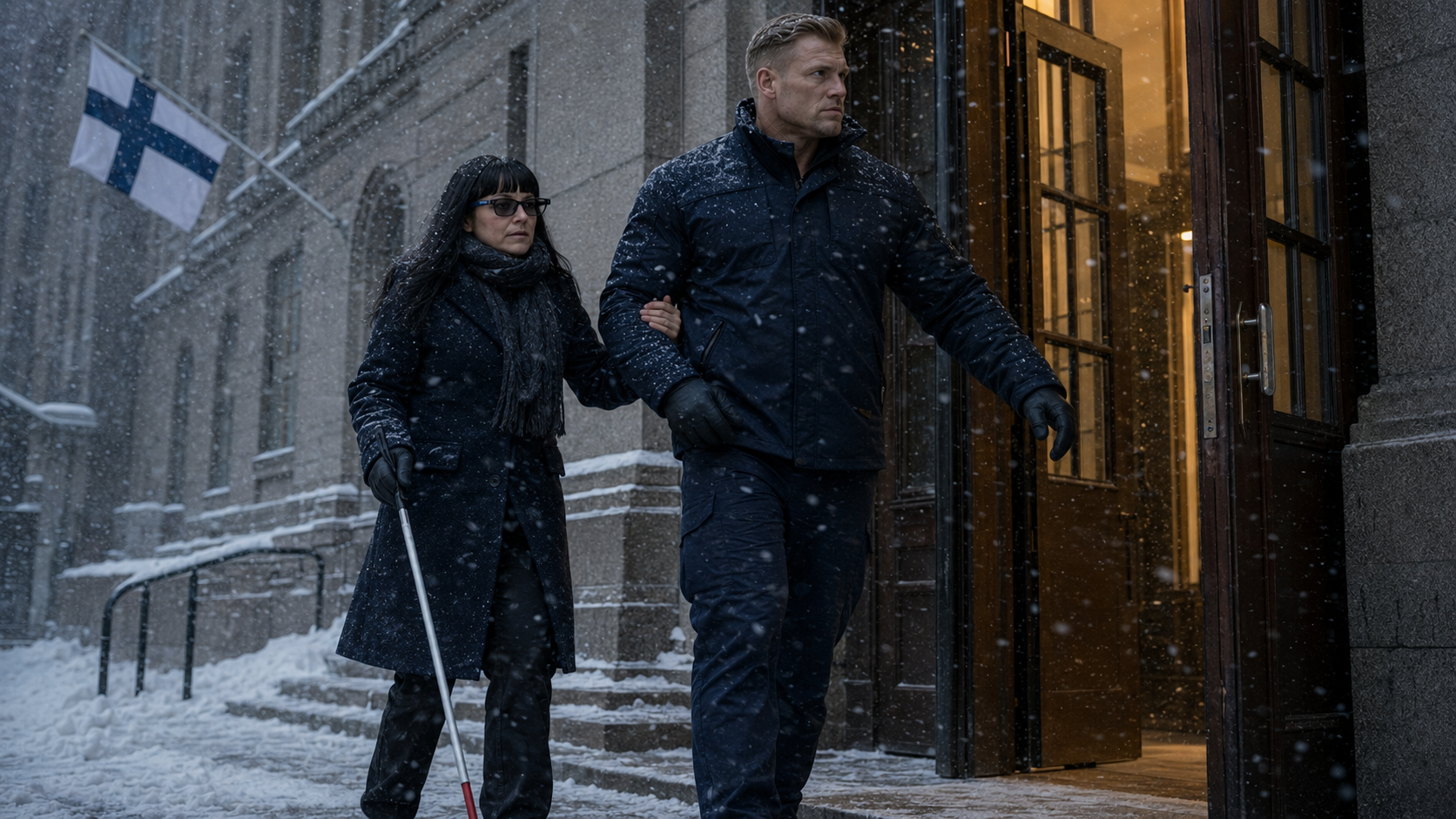
The Exemption Would Need Its Own Database
Carving out an accessibility exception to a smart glasses restriction sounds like the obvious compromise. Verifying who qualifies requires building the exact kind of registry the restriction was meant to prevent.
-
Legal foundations
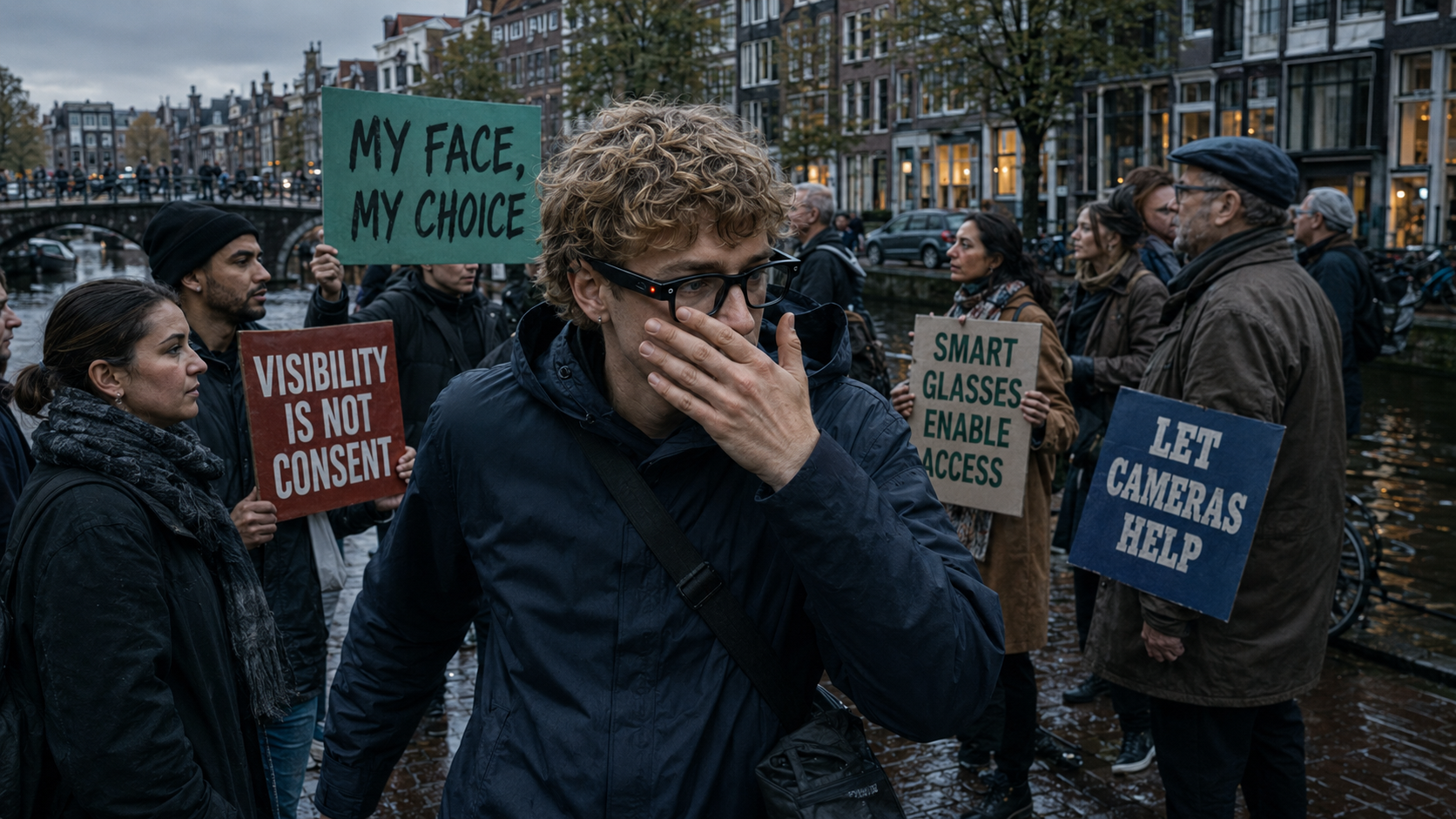
Visibility Was Never Consent
The industry's default defence is that a public street has no privacy left to violate. A Canadian court already showed why visibility alone cannot settle the question.
-
Framework
The Question Was Never Ban the Glasses or Allow Them
Both sides of this debate start from the same fact, a camera moved onto a face. The object-level question that follows is too coarse to answer it.

-
Governance timing
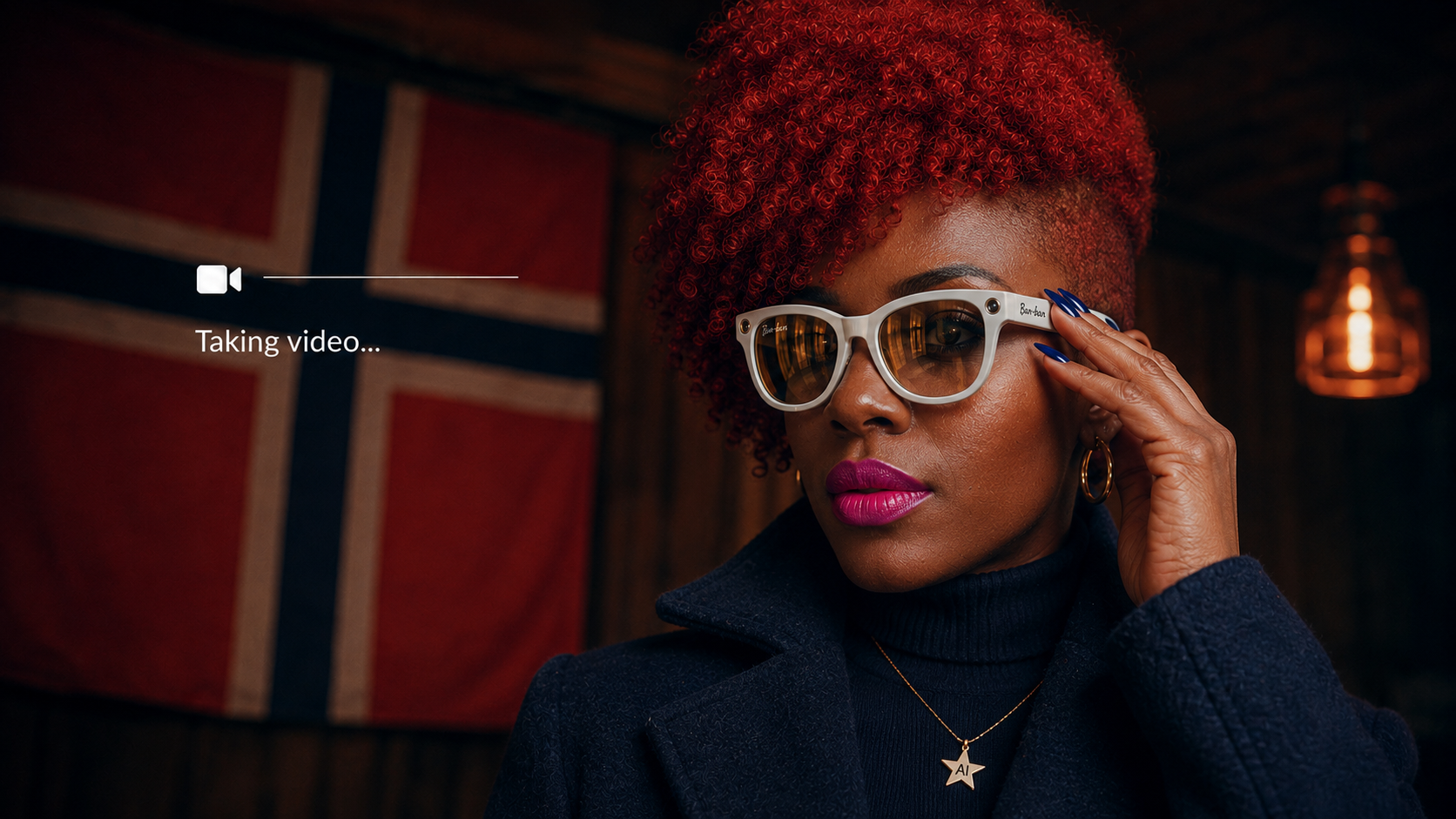
Norway Said This a Week Ago. The World Just Found Out.
A Norwegian minister announced plans to regulate camera wearables on August 25. English-language tech press treated it as news on September 2.
-
Automated redaction
The Blur Was Supposed to Be the Safeguard
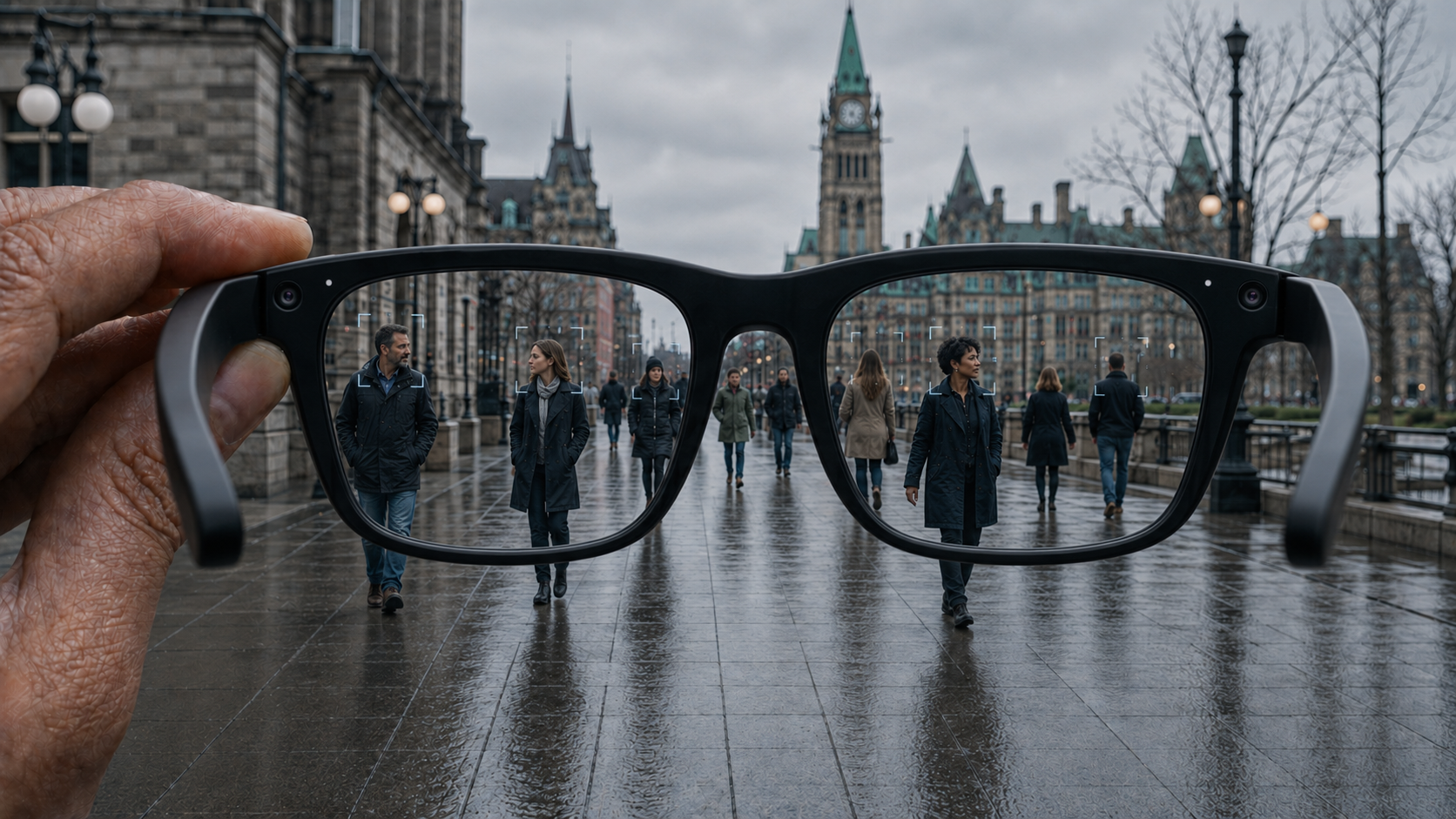
When footage from smart glasses reaches a human reviewer, automatic face blurring is the last line of defence before it. That line has already failed.
-
Corporate response
The Fix Was a Marketing Campaign
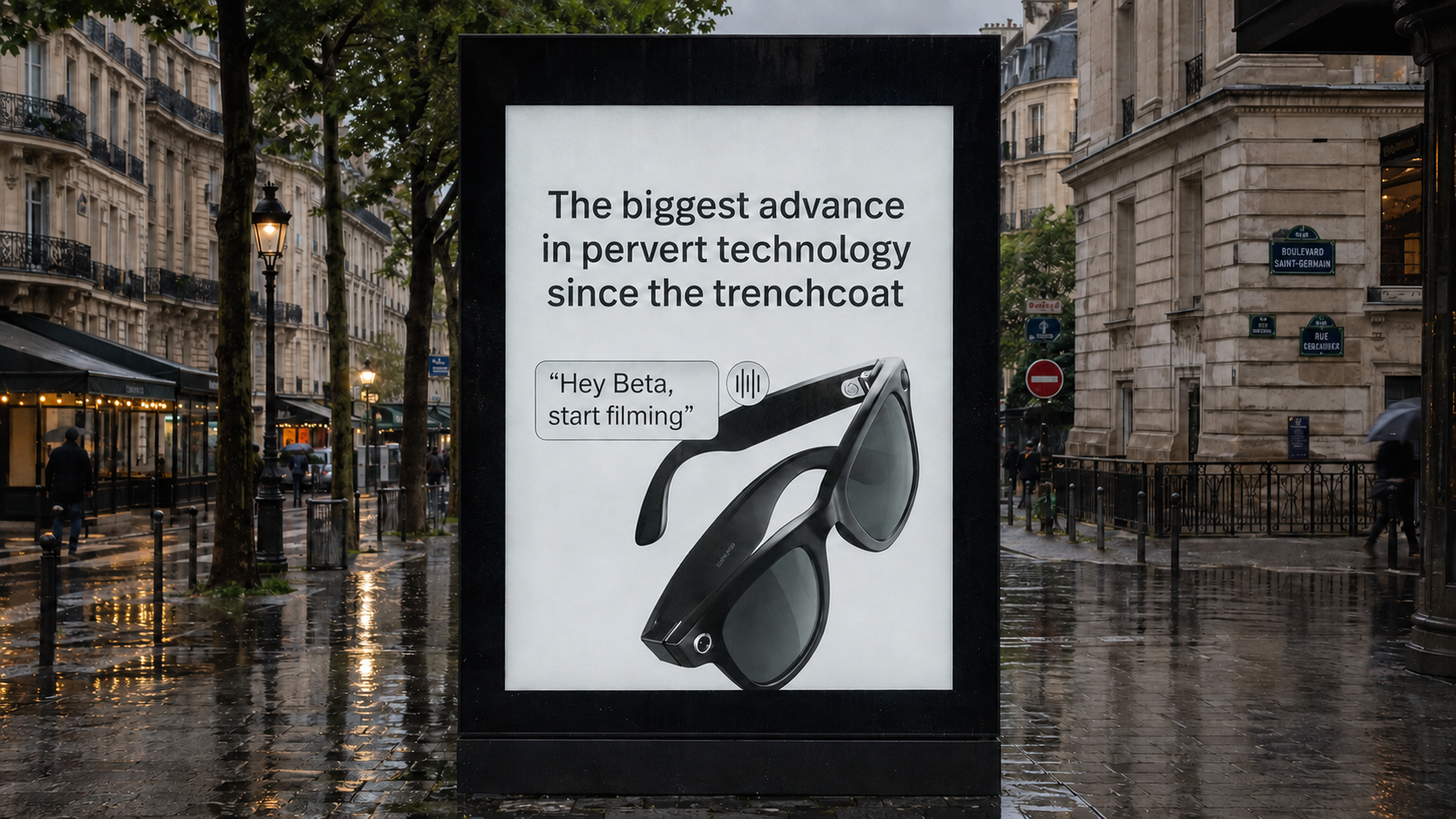
A regulator asked Meta in 2021 to either prove its recording light works or run a public campaign explaining it. Meta chose the campaign five years later, only once the backlash became a PR crisis.
-
Market response
The Market Priced In What the Law Has Not
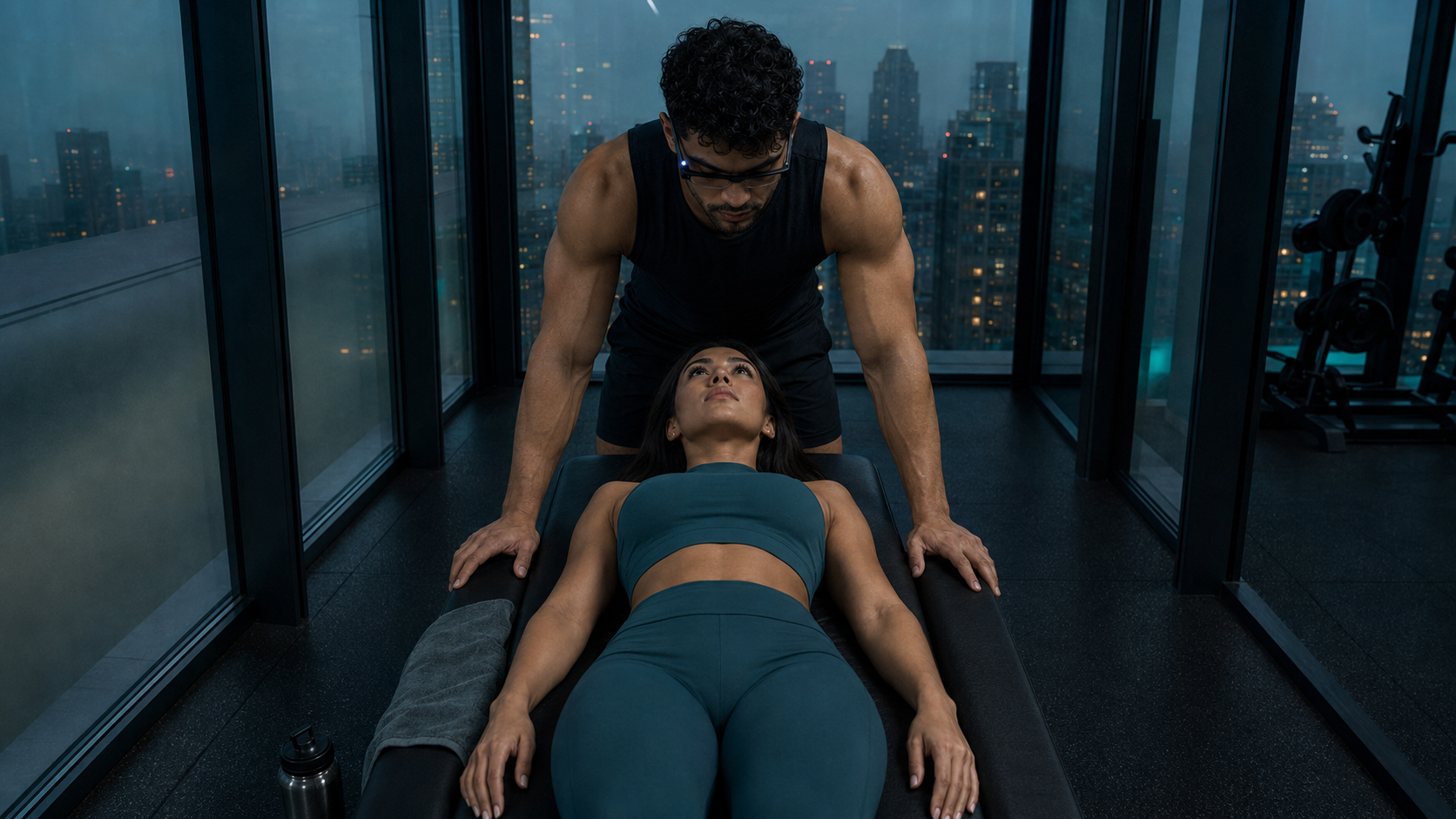
Wall Street reacted to the "pervert glasses" label faster than regulators did, exposing the gap between market pressure and formal oversight.
-
Accessibility
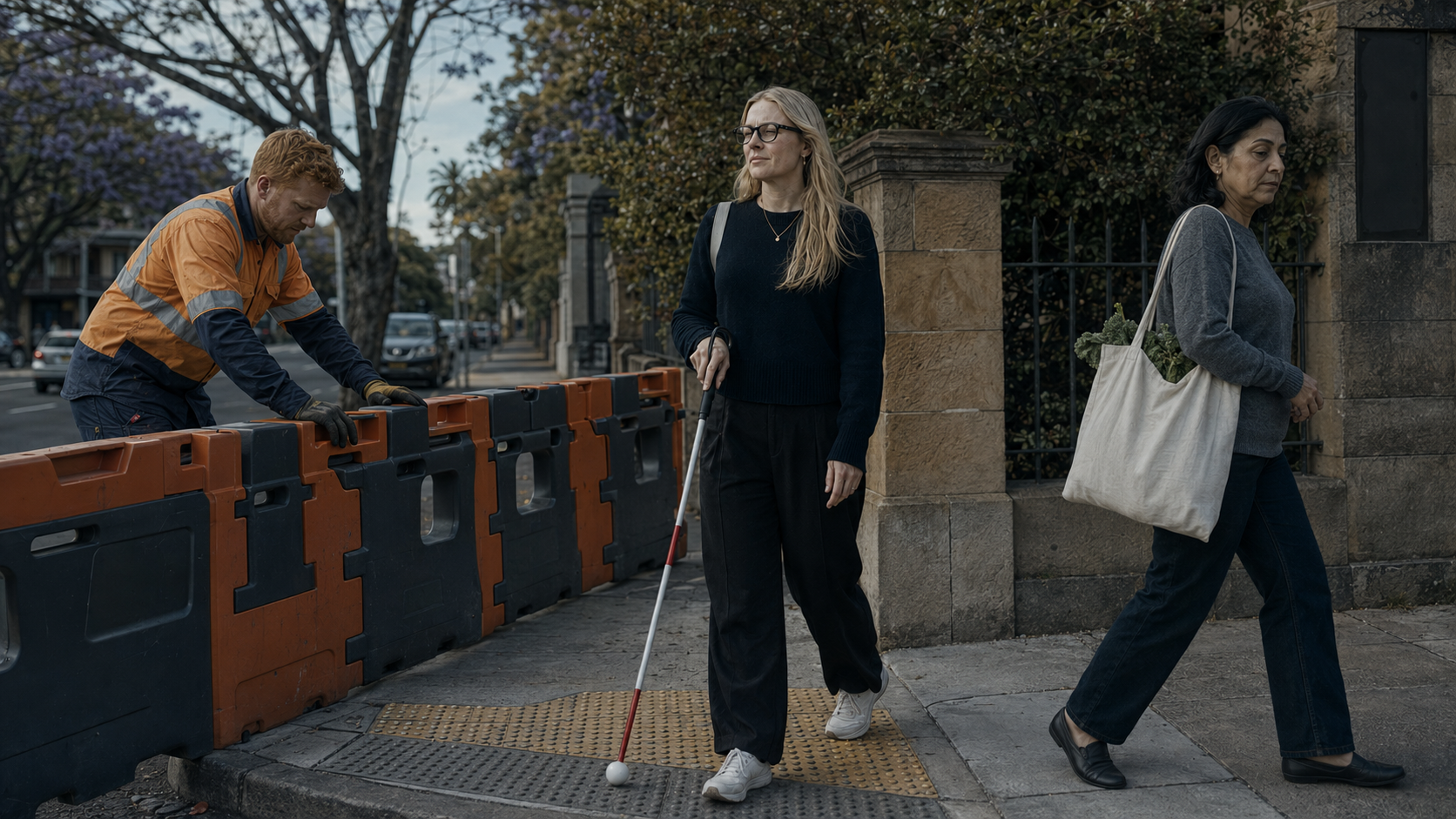
The Light Was Only Ever Notice for People Who Could See It
Every proposal in this debate treats a visible cue as the baseline protection. That baseline already excluded a portion of the public before smart glasses existed.