Consent needs an accountable person
The social protocol for cameras has usually been person to person. Eye contact, a gesture at the lens, then an explanation or a lowered camera. It has survived a century of portable cameras despite its awkwardness.
The protocol requires a decision-maker in the room. A wearer who chooses to record can answer for it. If the decision sits outside the wearer's hands, the request may have nowhere to land because the person present cannot reverse it alone.
Delegation assumes everyone has a role
Much of the serious design work on agentic systems comes from enterprise settings. UX Magazine has published principles for designing autonomous agents, where the language of supervision and oversight is being worked out.
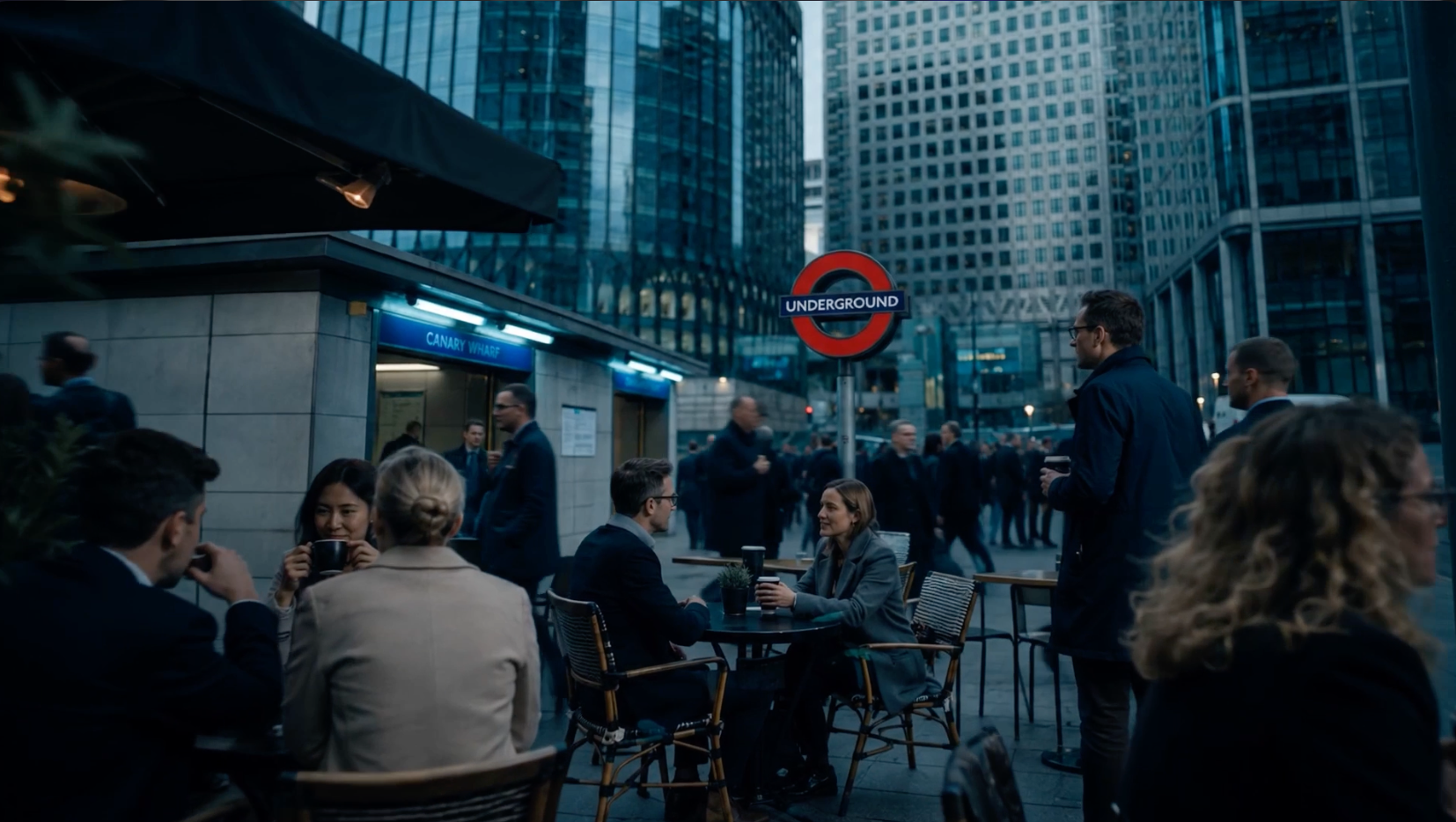
The problem appears when those patterns are worn on a face in public. At an operations console, people affected by an agent have an account, a role and a way to escalate. On a sidewalk, the person most affected by a choice to capture has none of those things and may not know a decision was made. A pattern that is governed inside an organization can leave the public with no one to approach.
Keep the final decision with the wearer
A worn capture device could require a deliberate act from the wearer for each capture, with a record available at the time. That is slower than continuous ambient capture and less impressive in a demonstration. It keeps a human answerable when an explanation is needed.
Verification remains open. A bystander cannot audit the record, confirm it exists or tell an honest wearer from a confident one. The proposed accountability mechanisms serve the wearer or manufacturer, while the person with the strongest interest has no access.
Delegation changes accountability even if the hardware stays the same. An assistant may select or initiate capture while the wearer remains the visible operator, with timing and purpose determined elsewhere. A confirmation step keeps the final decision with someone present in the room.
A record shown on the spot must avoid exposing more than necessary. It could show that capture was requested and identify the current state without displaying footage or the identities of people in it. That does not create bystander control, but it makes the limits of the interaction clearer.