The doctrine reaches the wrong holder
Courts have spent several years chipping away at the idea that sharing information with a third party forfeits any claim to protection. Lawfare has been tracking that closely, including a recent piece arguing that the real fight over digital privacy is only starting after Chatrie. The direction of travel is toward requiring more of the government before it can reach records held by intermediaries.
Those cases all involve a corporate custodian between the individual and the state. That structure gives courts something to regulate. Without it, the reasoning has nothing to attach to.
The wearer holds someone else's recording
Footage from a pair of glasses is held by the wearer. If an officer asks for it and the wearer says yes, no doctrine has been triggered, no warrant is needed, and no third party had to be compelled. The person in the footage is not a party to the exchange and generally never learns it happened.
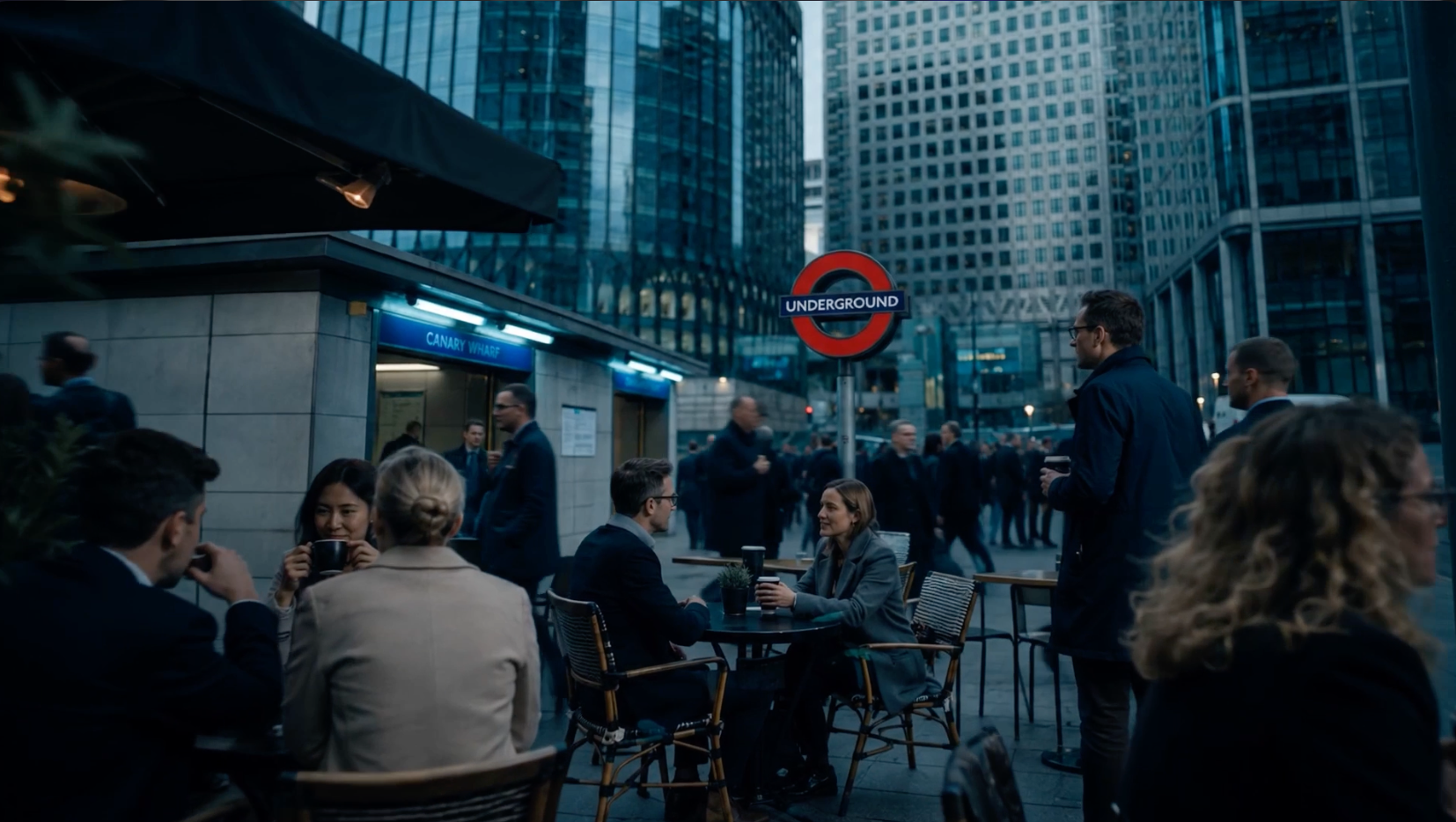
The gap is familiar from home camera networks, but wearables widen it. A doorbell camera covers a fixed part of a street. A wearable enters transit, workplaces, waiting rooms and living rooms, at the eye level of the person speaking to its wearer. The result is a distributed archive of interior and interpersonal life that is legally trivial to request.
Protection has to begin earlier
Meaningful protection may need to constrain capture and retention rather than access, because access is the point at which the law may have little left to address. Limits on what is kept and for how long reduce what a later request can reach.
That approach is not straightforward. A rule restricting what people may do with recordings lawfully made engages non-trivial speech and property interests, while the same footage can document abuses of power. Any proposed limit needs to address those competing considerations.
The distinction between capture and access does not eliminate the need for ordinary legal process. It identifies where a later request may be too late to protect a person who never knew the footage existed. Retention limits can reduce the amount available for an informal handover, while exceptions would still be needed for records with a documented lawful purpose.
The wearer-held model also complicates notification. A person whose image appears in a recording may have no account, no alert, and no practical way to learn that an officer received the file. Any reform focused on access would therefore need to address how notice reaches people who are not parties to the exchange.