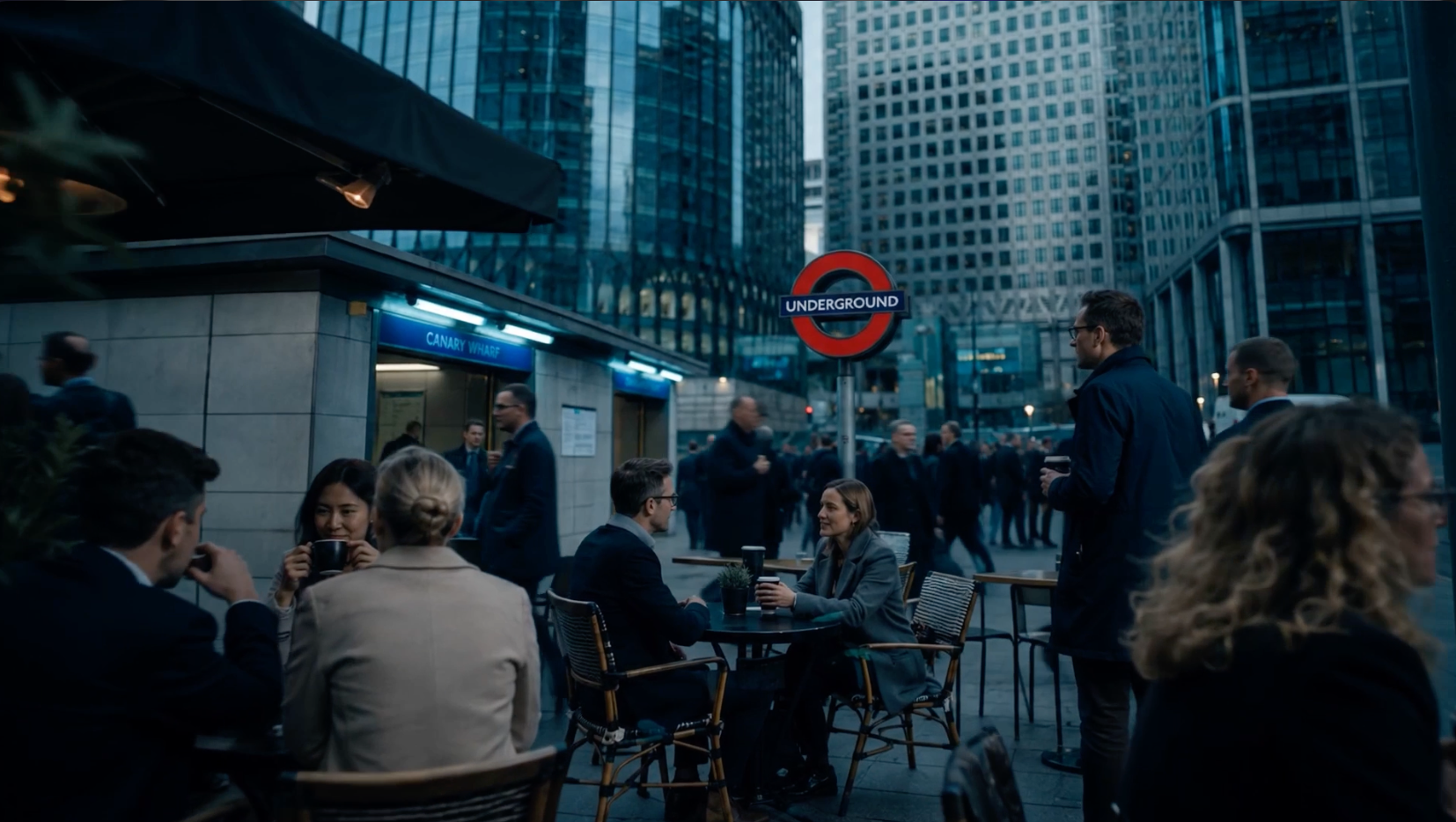
A signal still needs context
Visible recording lights are often presented as a practical safeguard for camera glasses. A person should not have to guess whether a device pointed in their direction is recording.
That only works when the light can be seen and understood. A small indicator disappears in daylight or a crowded room. Someone viewing the wearer from the side may miss it, as may a person who has never been told what it means.
What the light leaves unanswered
Even a clearly visible indicator answers only whether the camera appears to be active. It cannot tell a bystander whether sound is being captured, whether video will be uploaded or used with other tools, or how long it will remain available.
Ireland's Data Protection Commission and the Italian Garante have raised questions about wearable cameras, notice and the effect on people who did not choose to take part. A light can be visible while the larger situation remains opaque.
Design for the person who did not buy it
Notice needs product design that makes recording legible, venue policies that set expectations and an option to avoid capture where it would be especially intrusive. A product page cannot do all of that.
Bystanders should not need to become device experts to understand a change in their surroundings. The light can help, but it cannot carry the whole explanation.
The quality of notice can be checked at different points. Product testing can measure visibility from common angles. Venue procedures can show whether staff know how to respond, while public explanations can say what the signal does not establish. These checks catch different failures and should not collapse into a single light-versus-no-light test.
Opting out has limits. Someone may leave a meeting or use another queue, but a classroom, workplace or medical setting may offer no comparable choice. Rules for those spaces must not make the recorded person negotiate every encounter.