The statute points elsewhere
Federal private-sector privacy law in this country applies to organizations that collect, use or disclose personal information in the course of commercial activity, and it carves out collection for purely personal purposes. A person walking through a mall wearing camera glasses is not an organization and is not engaged in commerce. The manufacturer is both, but it is not the one deciding where the camera points.
The commissioner can pursue the company over what it does with data once it arrives. That matters. The encounter itself, which is what troubles people, remains outside the instrument's reach.
More power cannot reach the absent party
Policy Options has hosted this debate for years, including the argument that enforcement powers are the key to meaningful reform rather than further refinement of consent language. That case is persuasive on its own terms.
It is also separate from this problem. Order-making power, fines and audits presume a regulated entity within reach. Increase them tenfold and the person recording strangers at a bus stop remains unregulated, because the question is who stands in front of the commissioner.
The practical lever is the space
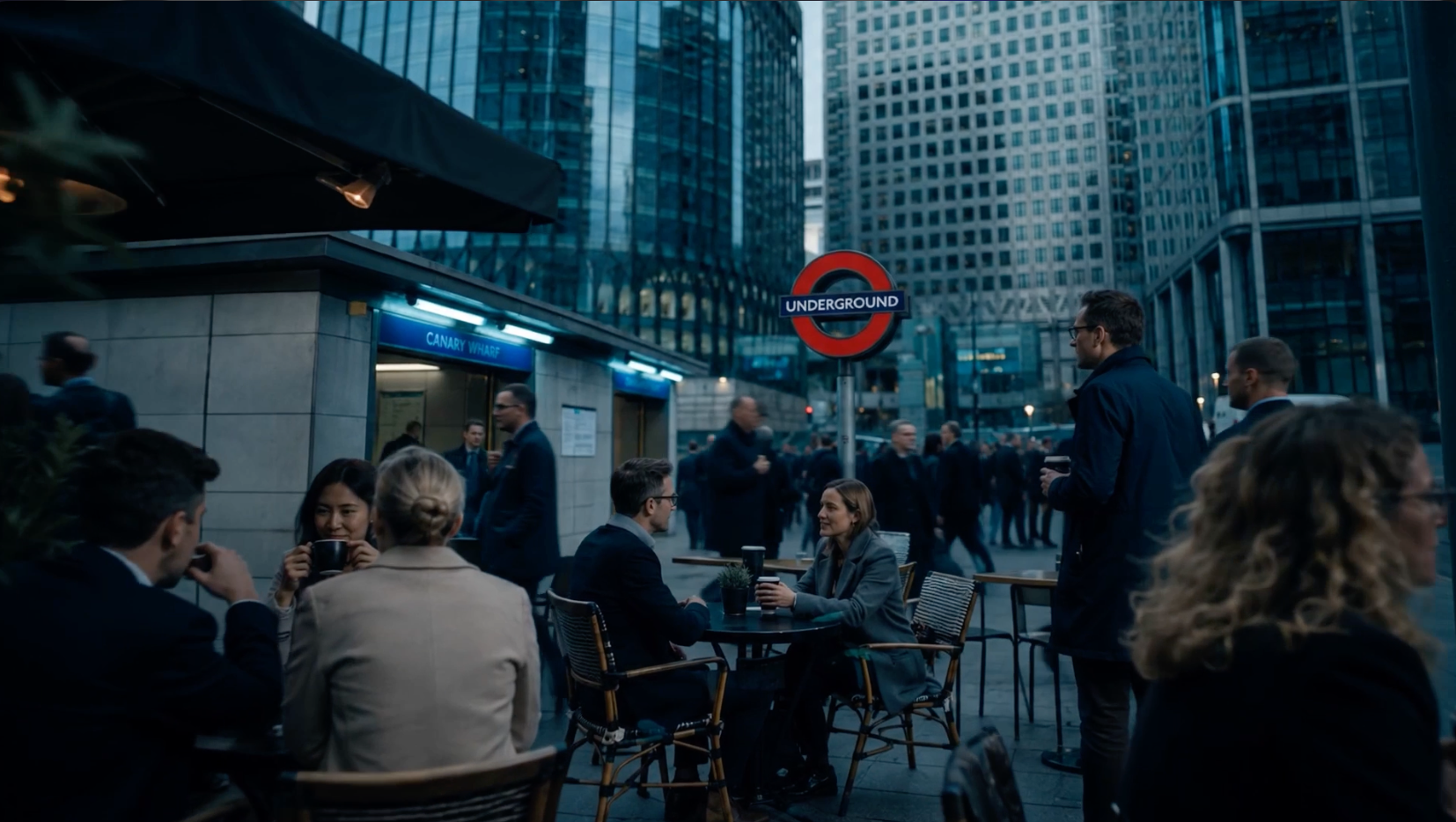
Canada's fastest available action may come from institutions that control spaces and write rules for them: transit authorities, hospital networks, school boards, courts and municipal recreation facilities. Each can establish a camera-glasses rule on its premises without a new act of Parliament.
What is missing is guidance. No federal or provincial body has published anything a facility manager could adopt, so the rules that do appear are drafted by whoever felt the pressure first, in whatever language they could manage. That produces a patchwork nobody designed, and it is happening now regardless of what the reform timetable does.
Premises rules can address conduct without deciding every question under federal privacy law. They can identify sensitive areas, define whether capture is permitted, and establish who responds to an objection. Their reach ends at the boundary of the space, which is both their practical advantage and their limitation.
Consistency would matter across institutions that serve the same public. A person should not have to learn a different visual cue or complaint route at every hospital, school, or transit system. Model guidance could reduce that variation while leaving each institution responsible for the settings and accommodations within its authority.