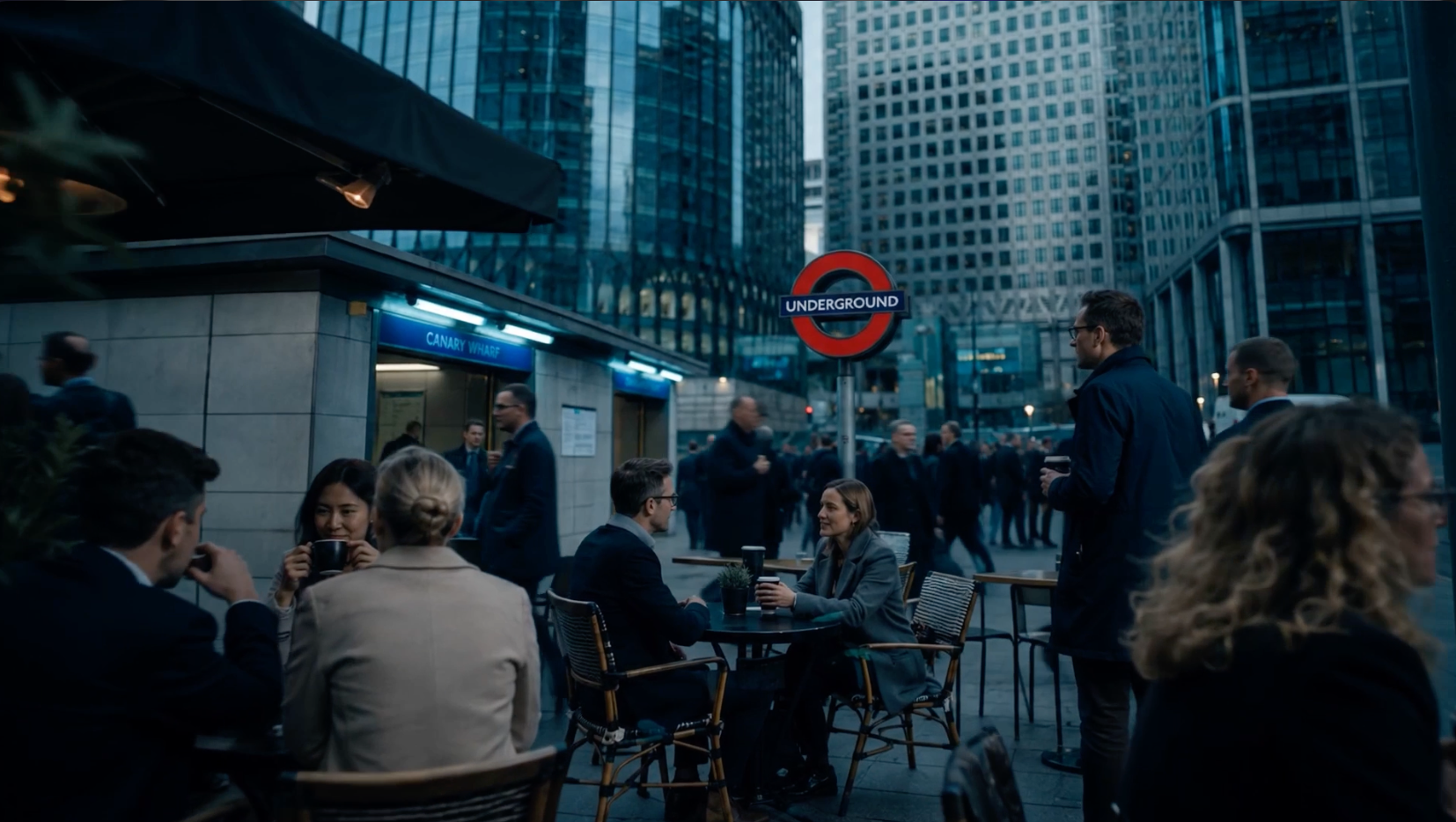
The same footage carries different risks
Being photographed on a street is an inconvenience for many people and a serious risk for some. Location, association, and whether that information could affect housing, employment, or safety are relevant variables, and they do not distribute evenly.
Scholarship has begun examining specific populations rather than the aggregate. In The Conversation earlier this year, Brynn Colledge examined what facial recognition on smart glasses would mean for sex workers and other people already exposed to targeted harm. The details are the argument and deserve to be read in full.
The median is the wrong measure
Almost every proposal in this space asks whether a safeguard is proportionate, and answers by imagining a reasonable person mildly bothered by a camera. That person is a construct. The distribution has a long tail, the tail is where the actual damage sits, and a rule tuned to the middle of the curve does nothing for the end of it.
This does not require treating every encounter as maximum risk. It requires a different unit of analysis. Asking what a typical bystander loses will produce a permissive answer because the typical case is genuinely mild.
Test the realistic worst case
A proposed safeguard can be evaluated against the worst realistic case in the room rather than the median one, as accessibility work moved beyond asking what an average user can perceive.
The reframing has a cost. Safeguards can look expensive beside harm in the most typical cases. Public space is shared with people for whom recording has materially different consequences, and a rule designed only for the majority leaves foreseeable risks open.
A risk-based approach still needs a realistic boundary. It does not require treating every image as the most severe possible case. It requires testing a safeguard against foreseeable settings in which identification, location, employment, or association creates a materially different consequence for the person in view.
The same method can improve proportionality rather than defeat it. A venue can apply stricter controls in a shelter, clinic, changing area, or protected meeting while using lighter notice in a low-risk public zone. Recognising different exposure levels allows rules to follow context instead of assuming one average bystander everywhere.