Articles

Reporting and analysis on recording, recognition, consent, Bluetooth awareness and the shared-space questions raised by wearable technology.

  1. Wearer data

    The Buyer Is Also Being Recorded

    2 min read

    The bystander argument has made the wearer look like the party with power. They are the most instrumented person in the encounter.
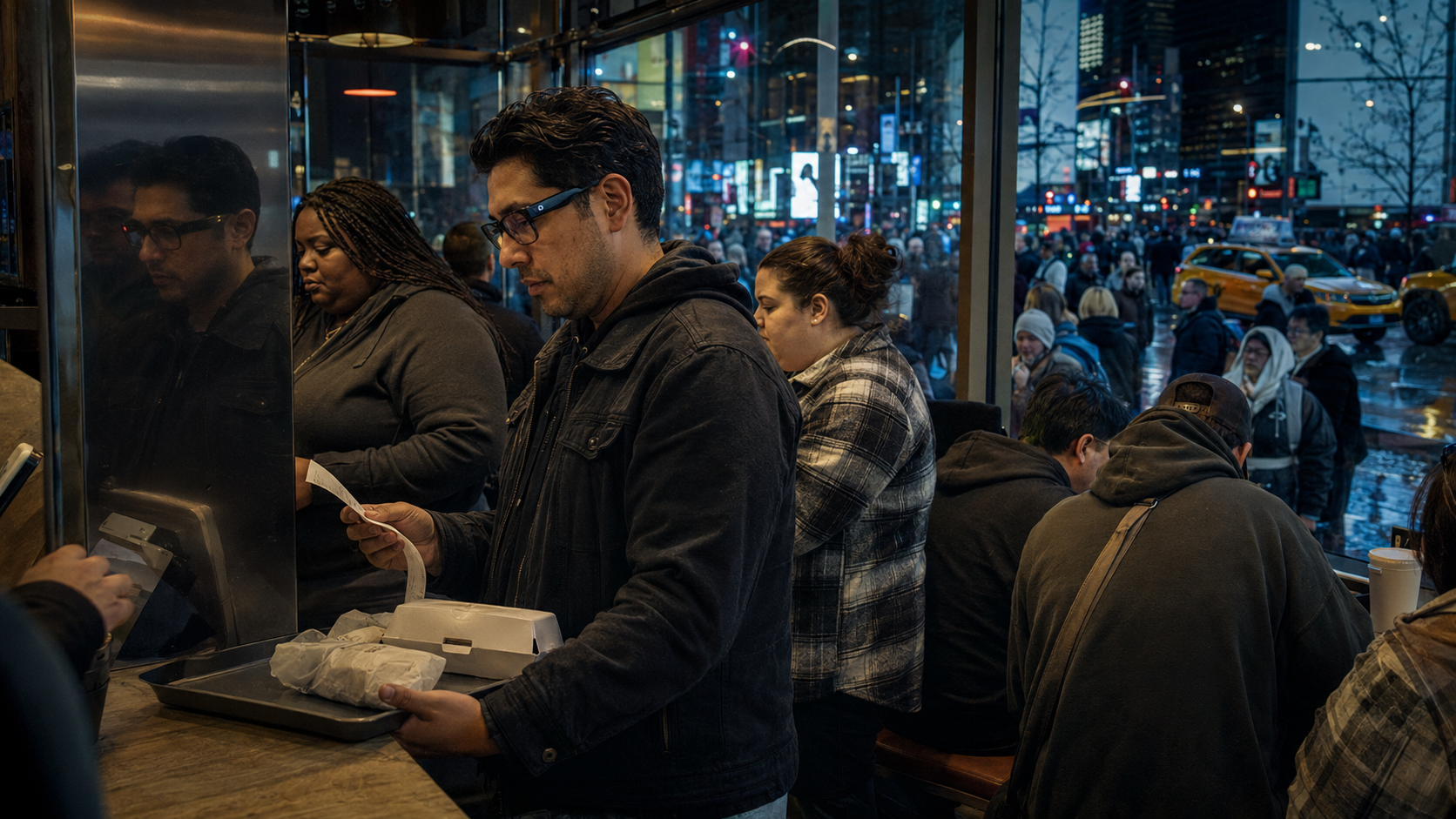
    A person wearing dark-framed glasses stands among a crowd inside a busy fast-food restaurant in New York's Times Square, with city lights and yellow taxis visible outside.
  2. Education

    Camera Glasses Enter a School Through the Door Nobody Guards

    3 min read

    Schools scrutinise the technology they buy. A device that walks in on somebody's face never passes through procurement.
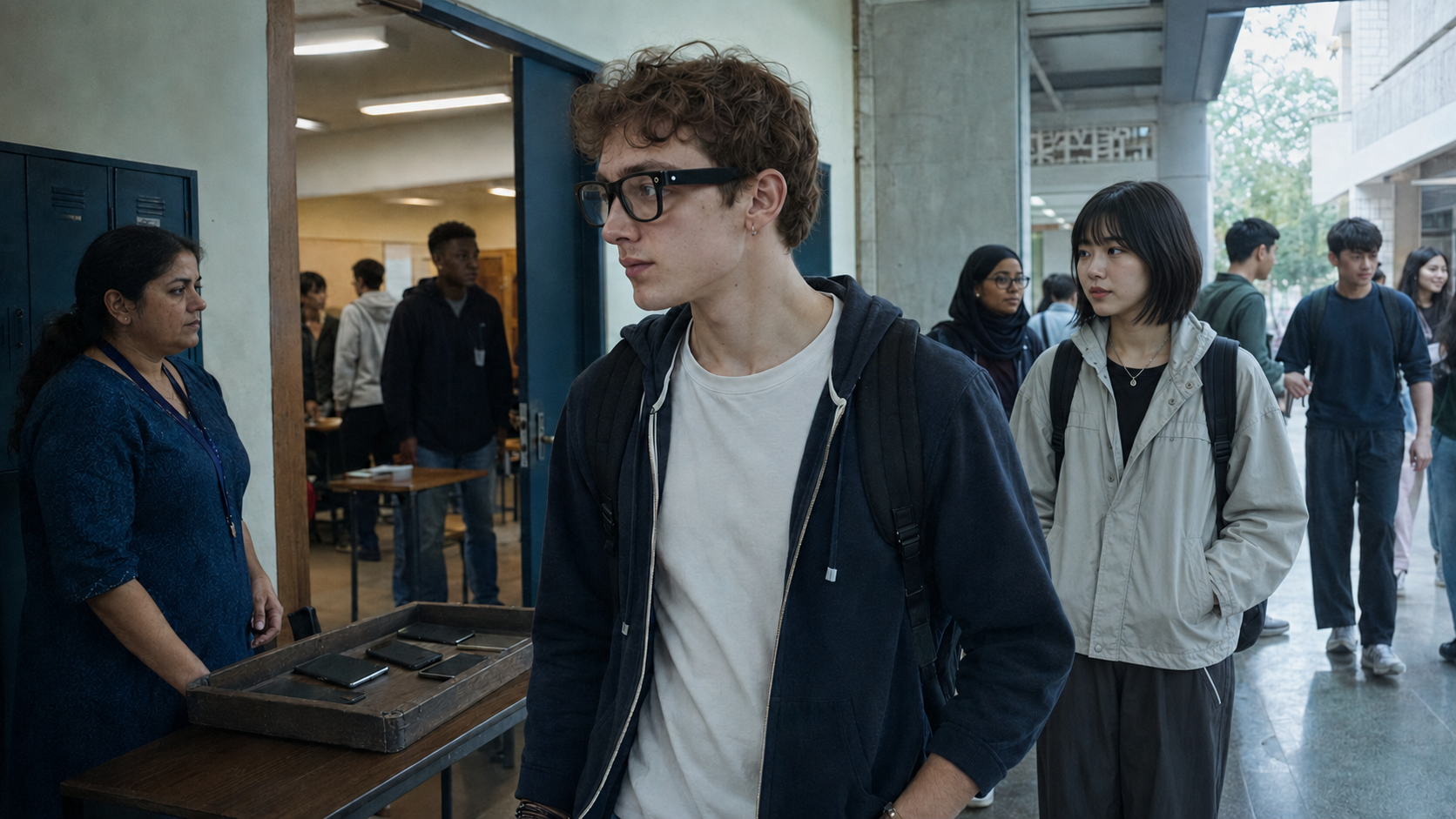
    A student wearing glasses walks through a school entrance past a staff member, with other students nearby, illustrating how camera-equipped eyewear can enter through an unguarded door.
  3. Liability

    Who Would You Even Sue

    2 min read

    The enforcement mechanism with the best track record in biometric privacy needs a corporate defendant. A fleet of individual wearers does not provide one.
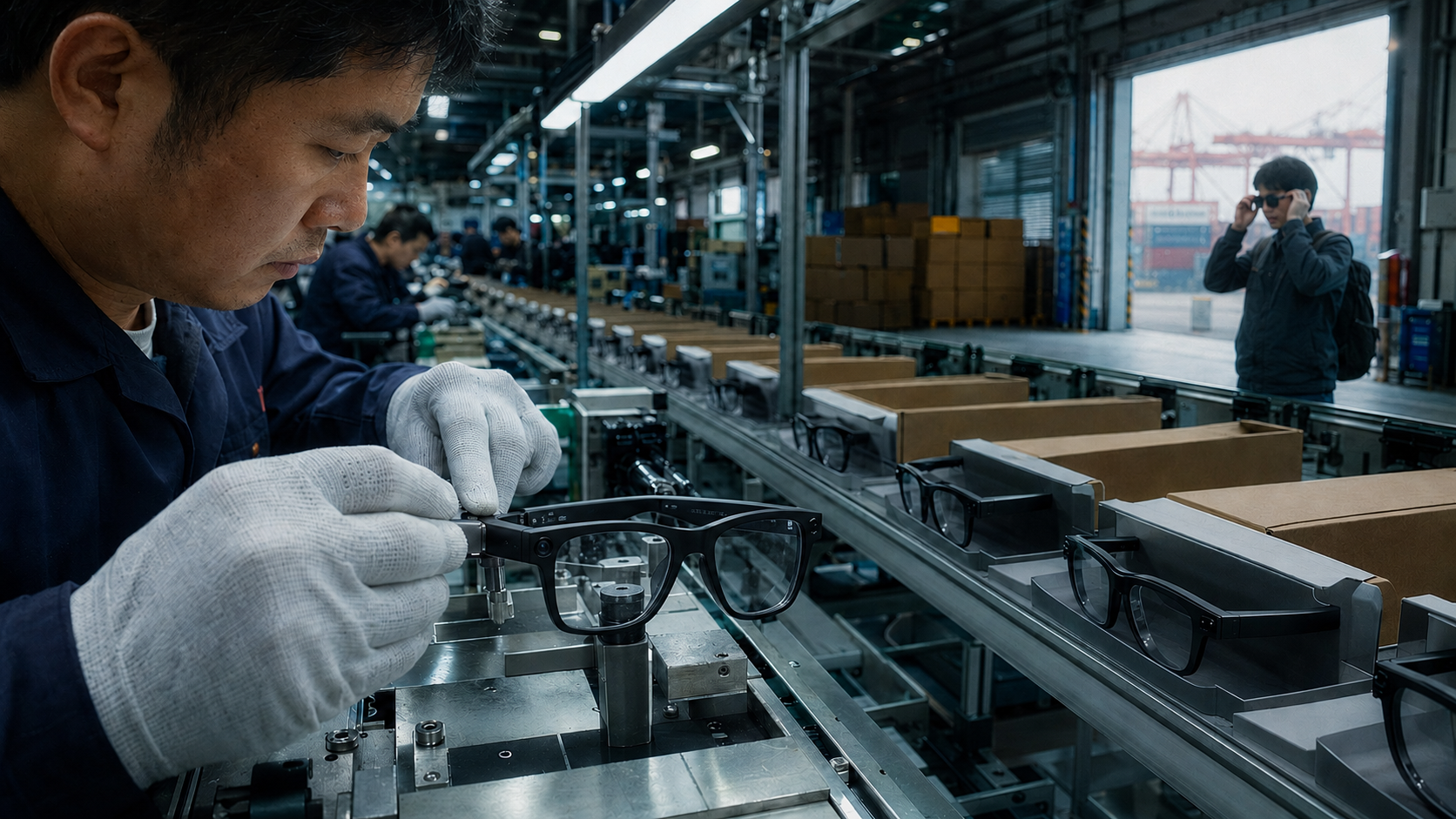
    A worker wearing white gloves inspects black-framed glasses on a fixture beside a conveyor carrying more glasses, while another person wearing glasses stands near an open factory entrance in the background.
  4. Capability coupling

    The Camera and the Recognition Service Are Sold Separately

    2 min read

    Rules assess devices one at a time. The harm lives in the combination, and joining the parts is now something any buyer can do.
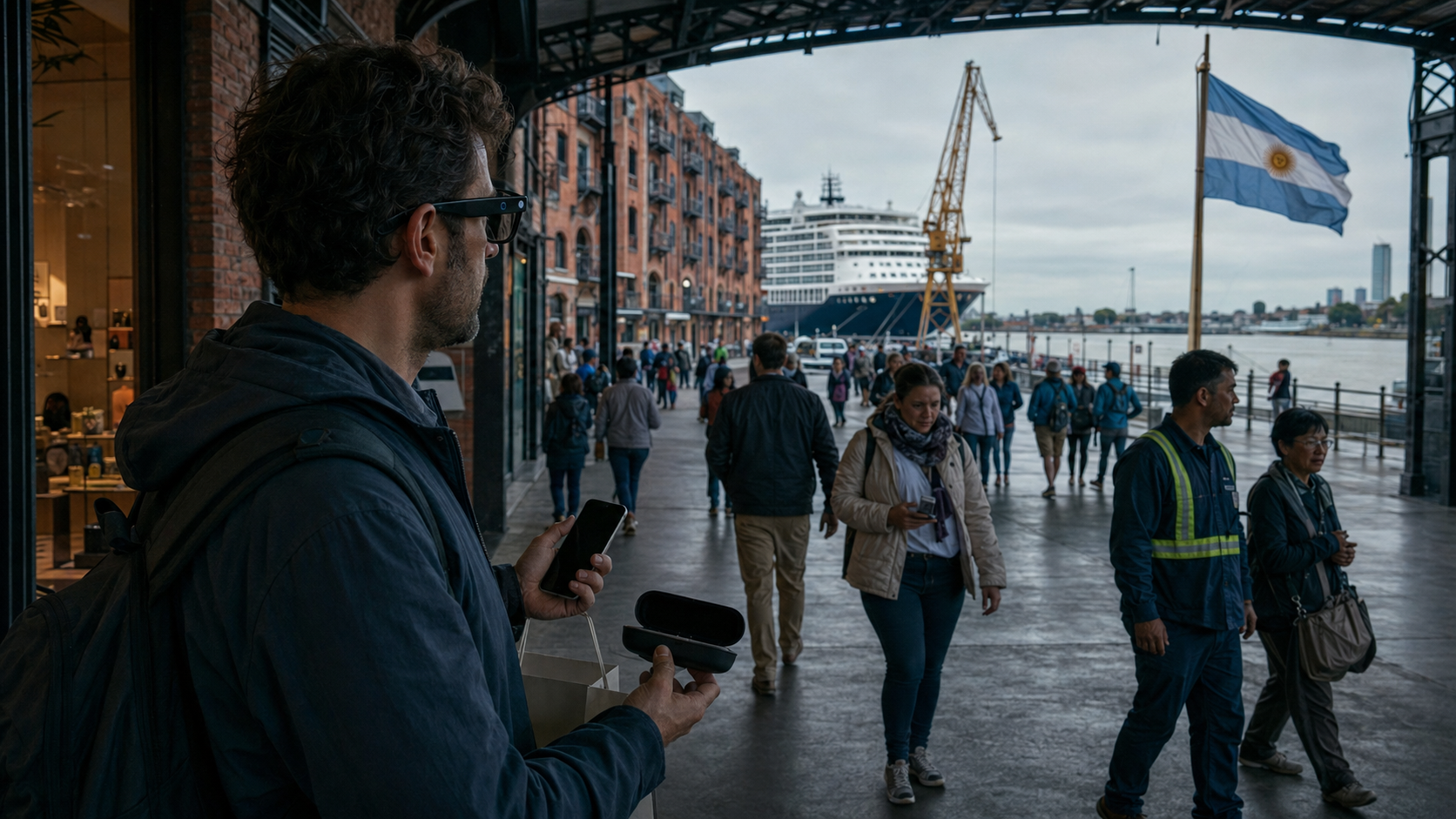
    A documentary-style port walkway near a shopping area and tourist terminal, with a person wearing smart glasses holding a phone and a small device as pedestrians pass a cruise ship, port cranes and an Argentine flag.
  5. Corporate privacy

    Your Premises, Someone Else's Camera

    3 min read

    Privacy programmes map what an organisation collects. A visitor's camera can enter a sensitive waiting room outside that register.
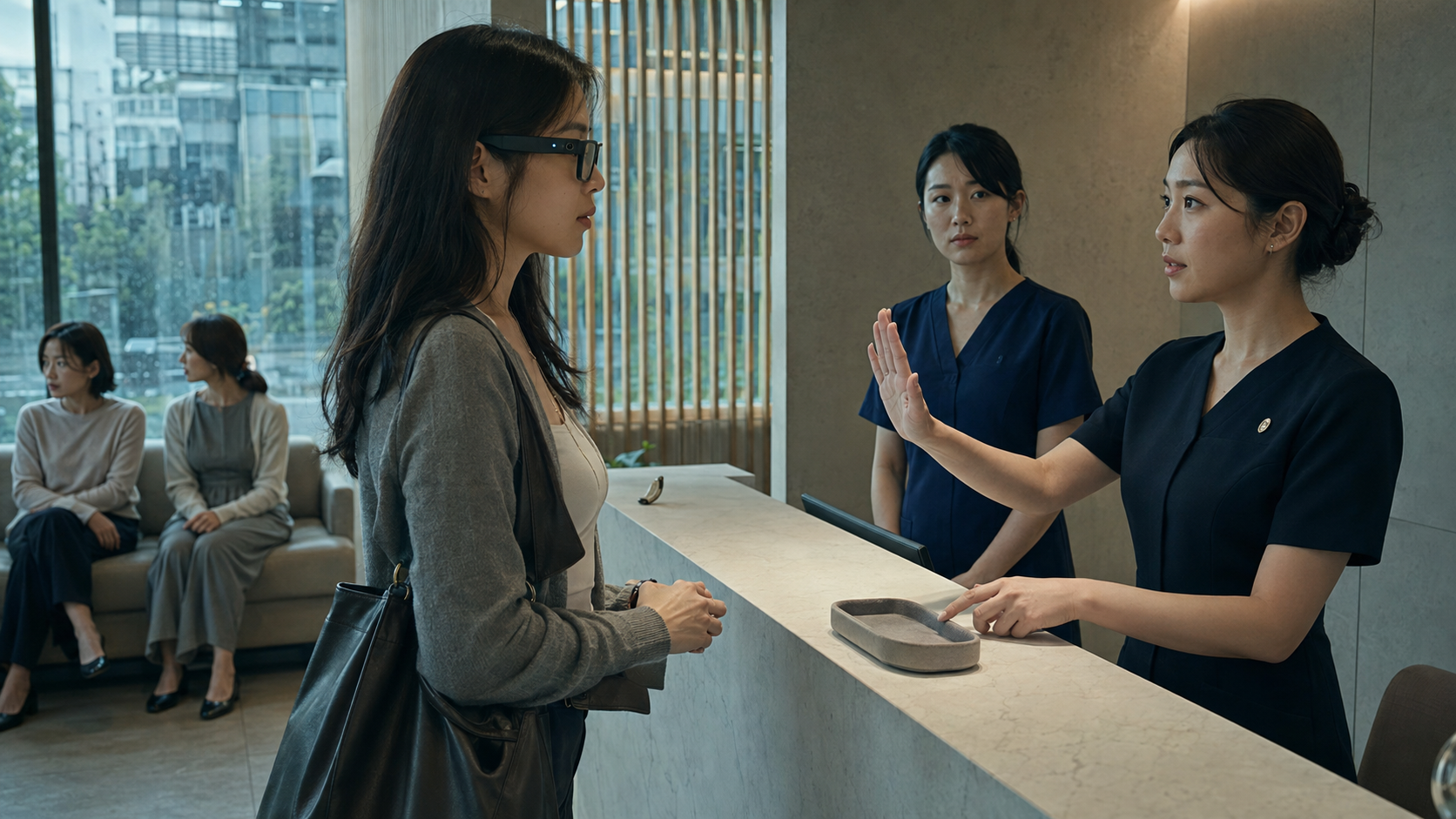
    A staged reception scene in a women's clinic in Seoul: a visitor wearing dark smart glasses faces a receptionist who gestures toward a storage case, while another staff member stands nearby and two women observe from the waiting area.
  6. Civil liberties

    What People Do Differently When They Suspect a Camera

    2 min read

    Ambient capture costs more than the footage itself. It also changes how people behave when they cannot tell whether a device is present.
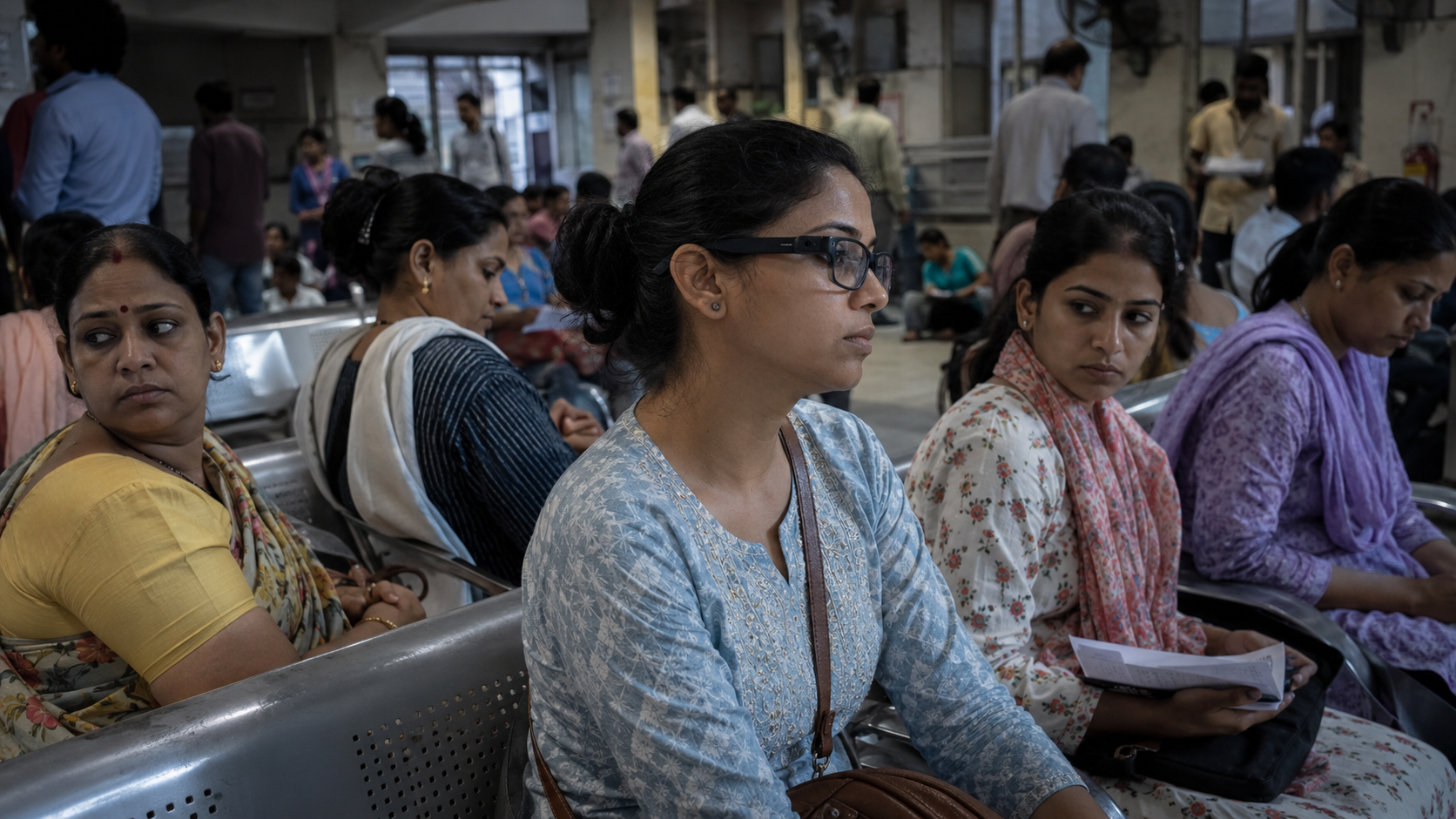
    A crowded indoor waiting area with several seated and standing adults; a woman in glasses and a blue patterned top sits in the foreground while other people sit on metal benches and move through the background.
  7. Service work

    The Name Tag Is the Asymmetry

    2 min read

    Most bystander arguments assume the recorded person is anonymous. Behind a counter, they are the only identified party in the encounter.
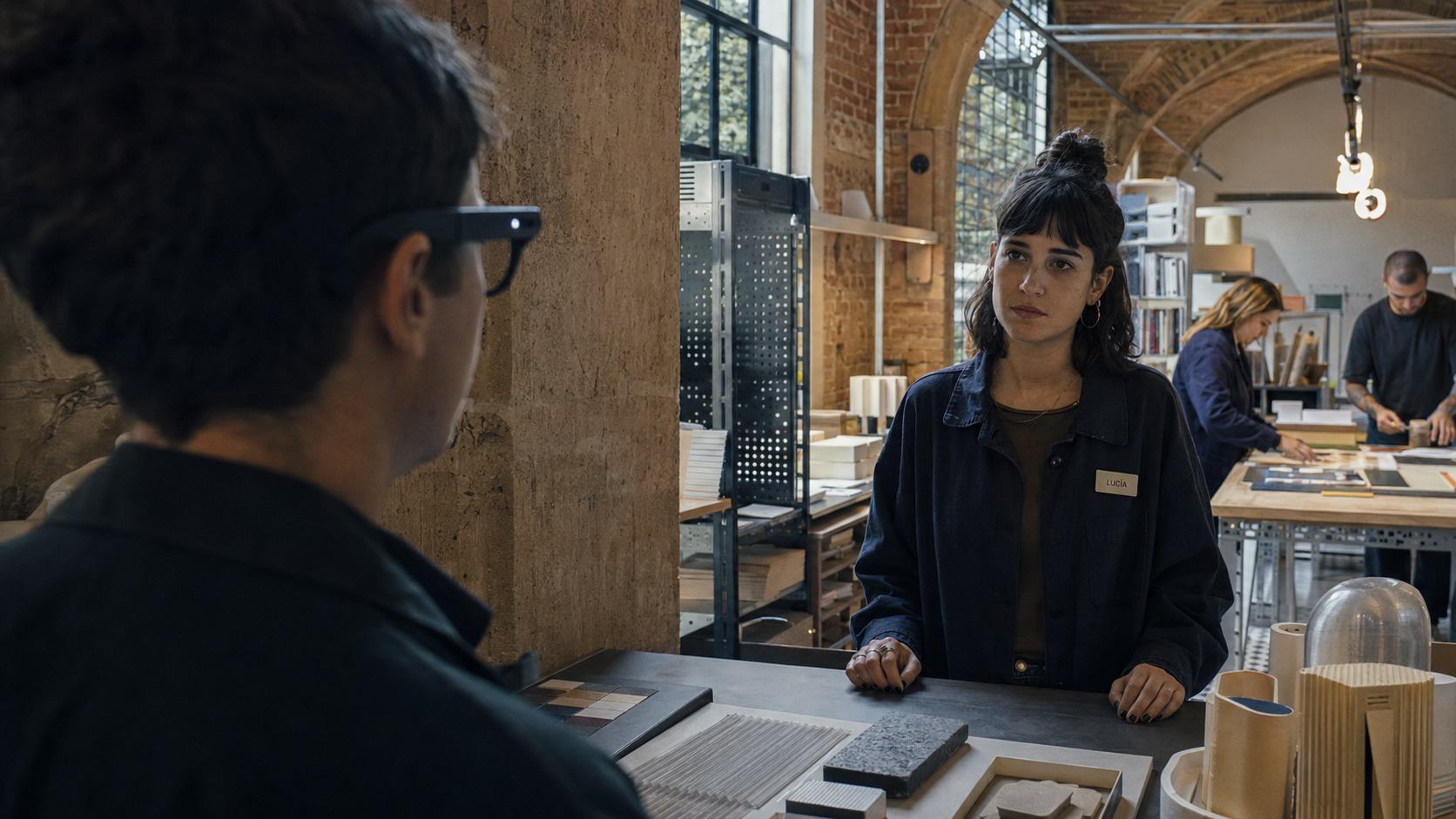
    A person wearing black-framed glasses with a small dark module at the temple faces a woman wearing a name badge behind a counter in a brick-walled shop, with other workers and shelves in the background.
  8. Schools and bystander privacy

    Smart Glasses in Schools Need Clear Student Privacy Rules

    3 min read

    Camera-equipped eyewear brings student privacy, consent, and online-abuse questions into a São Paulo classroom.
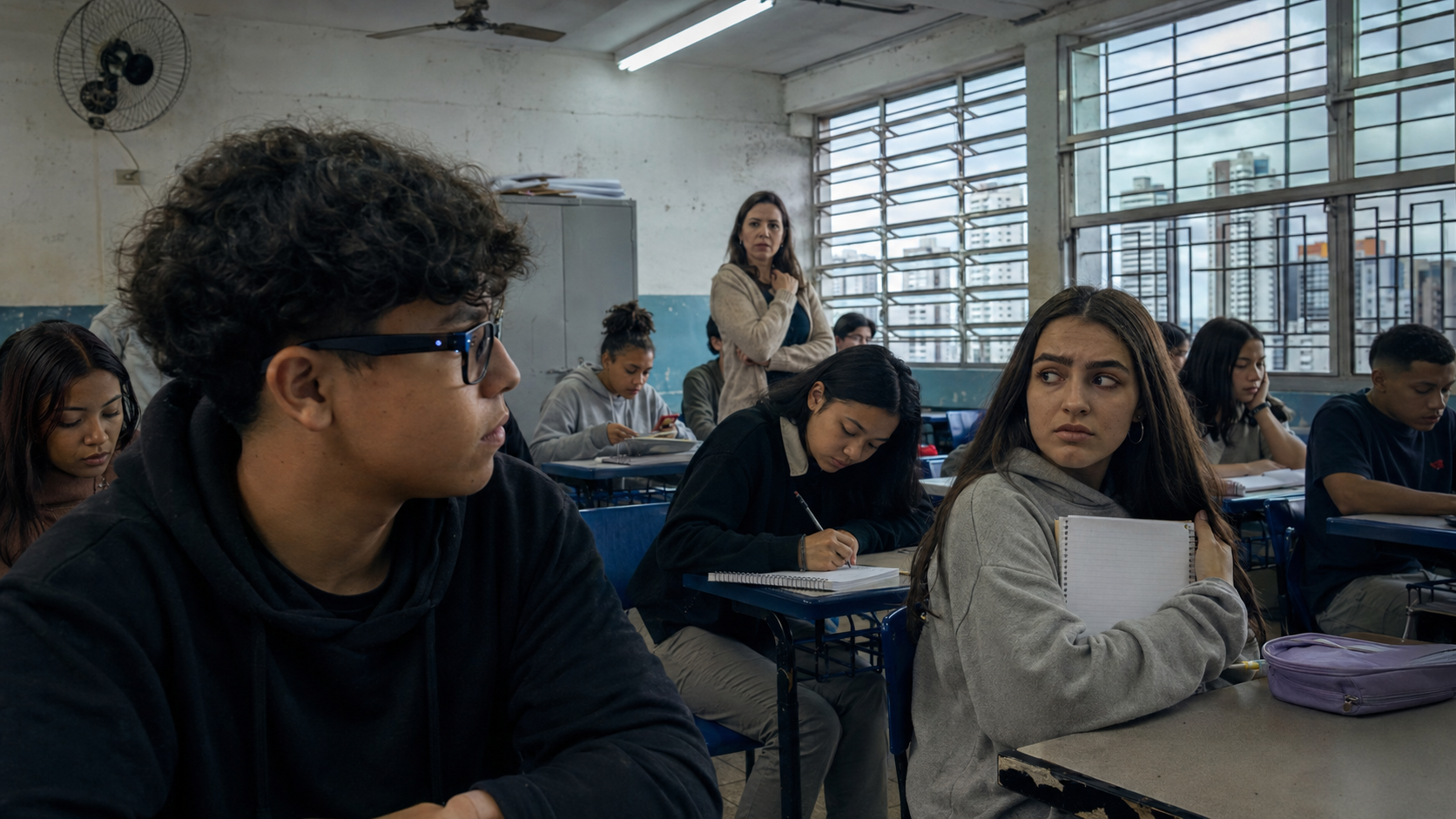
    A staged classroom scene in São Paulo: a student wearing dark smart glasses turns toward a classmate, while other students work at desks and a teacher stands in the background.
  9. Australia

    Australia’s Smart-Glasses Petition Opens a Privacy Debate

    3 min read

    Australia's EN10357 petition asks Parliament to consider restrictions and consent rules for AI-enabled smart glasses in shared spaces.
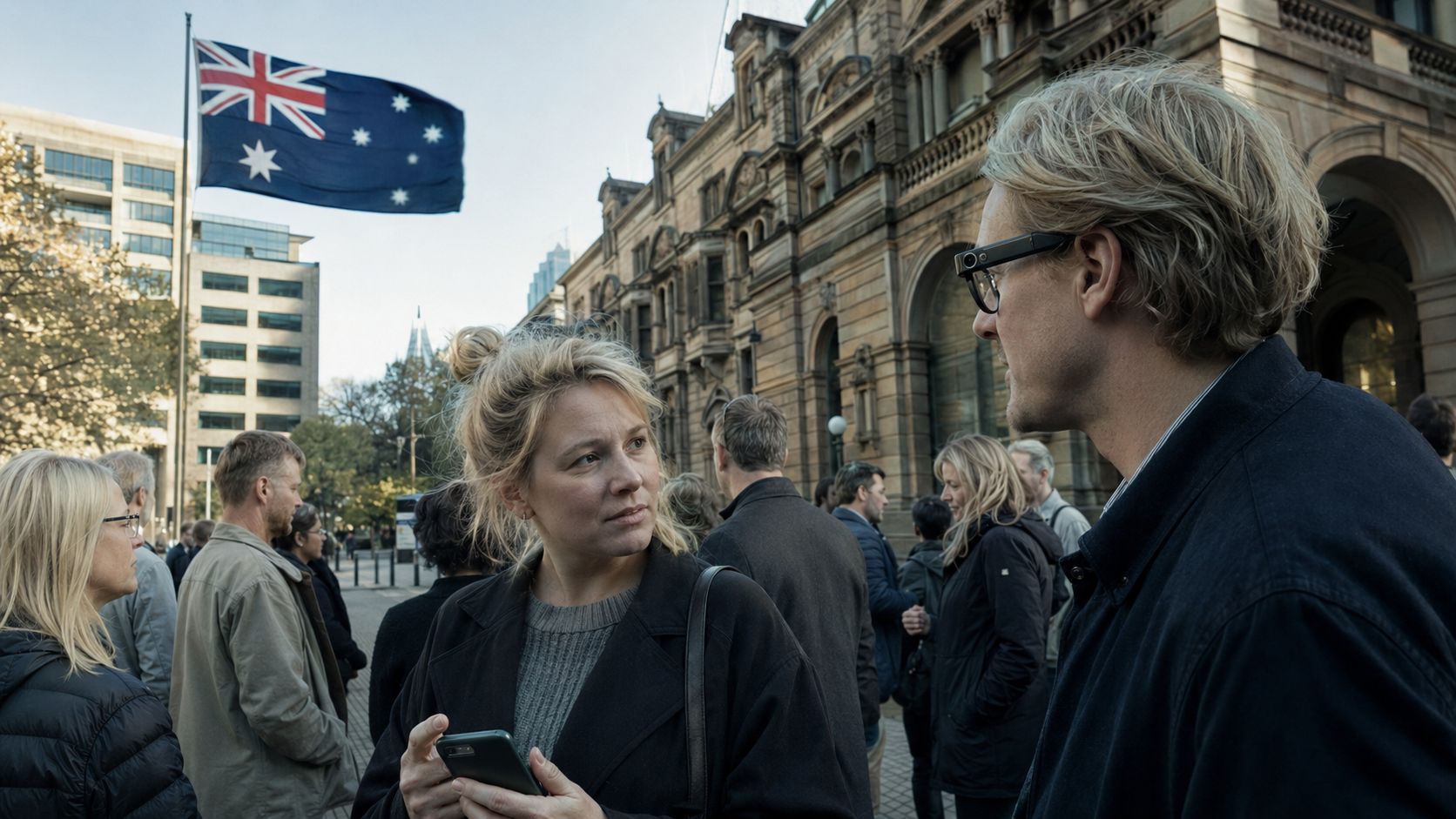
    A group of adults gathers outside Sydney Town Hall beneath a large Australian flag; a gray-haired person wearing black-framed glasses with a small dark module at the temple faces a woman holding a phone, while other residents stand nearby.